




The Short Answer: What Women Buy Online Most
Globally, the three categories women buy online most are clothing and shoes, beauty and personal care, and entertainment, books, and digital media. Roughly half of female shoppers worldwide buy fashion online, around 4 in 10 buy beauty, and around 3 in 10 buy entertainment products. In the U.S., those numbers run 5 to 10 percentage points higher (Source: Klarna Shopping Pulse data, applied to 2026 ecommerce trends).
Women drive a huge slice of global ecommerce, and if you're sourcing products to sell online, that demand is both your biggest opportunity and your biggest decision. The catch: the most-purchased category isn't always the most profitable one to sell. So we built this guide to do two jobs at once: show you exactly what women buy online in 2026, and translate that into smart sourcing decisions for your store.
If you only have 60 seconds, read the next section. If you're serious about choosing a category to build a store around, keep going.

Ranked: The Top 10 Categories Women Buy Online
Below is the data, plus our seller-side read on each category. Percentages reflect the share of women shoppers globally who buy each category online (Klarna Shopping Pulse). U.S. figures are higher across the board.
| Rank | Category | % of Women Buying Online (Global) | Repeat Purchase | Return Risk | Seller Opportunity |
|---|---|---|---|---|---|
| 1 | Clothing and shoes | ~50% | High | High | Strong demand, but crowded; niche down |
| 2 | Beauty and personal care | ~40% | Very high | Low | Best for repeat revenue |
| 3 | Entertainment, books, digital | ~30% | Medium | Low | Mostly digital; tough for physical sellers |
| 4 | Pharmaceuticals and health | ~25% | Very high | Low | Compliance hurdles, but loyal buyers |
| 5 | Groceries and household | ~25% | Very high | Low | Tough for small sellers; subscription play |
| 6 | Electronics | ~23% | Low | Medium | Margins thin unless niched |
| 7 | Leisure, sports, hobbies | ~22% | Medium | Medium | Strong wellness/fitness sub-niches |
| 8 | Jewelry and accessories | ~20% | Medium | Low | High margin, gift-driven |
| 9 | Home and garden | ~19% | Medium | Medium | Personalization wins here |
| 10 | Auto parts | ~14% | Low | Medium | Specialist niche, not mass-market |
We'll dig into each in the sections below, with sub-niches and product examples.
Where This Data Comes From
The headline percentages come from the Klarna Shopping Pulse survey, which tracks online shopping behavior across major markets. Where we cite trend, repeat-purchase, mobile, or social commerce data, the sources are Statista, eMarketer, Hostinger's ecommerce statistics, the U.S. Census Bureau, Adobe Digital Insights, and Tidio. Numbers are global unless we note otherwise; U.S. figures typically run higher because online retail penetration is more mature.
A note on methodology: surveys ask women which categories they have bought online recently, not how much they spend. So clothing being #1 in purchase rate doesn't mean it's #1 in revenue, and it definitely doesn't mean it's the easiest category to sell into. We'll keep flagging that distinction throughout.
The Top Three Categories, Decoded for Sellers
1. Clothing and Shoes
The data: Around 50% of women globally and roughly 60% of U.S. women buy fashion online. Fashion ecommerce is a multi-trillion-dollar global industry and the single biggest category by purchase frequency.
What's actually selling: Comfort-first apparel (loungewear, joggers, soft knits), athleisure and yoga sets, "elevated basics" (good T-shirts, well-cut bottoms), modest-fashion ranges, midsize and plus-size lines, and shoes (sneakers, slides, sandals). Dupe culture is huge: shoppers want the look of a $300 designer piece for under $50.
Why it's tricky: Online apparel return rates run 20% to 30%, well above the all-category online average. Sizing is the #1 cause. Brand competition is brutal at the entry level (Shein, Temu, Amazon Essentials). Inventory ages fast. New sellers often pick "women's clothing" because it's obvious and end up burning cash on returns and slow-moving stock.
Where the smart money goes: Niche apparel, not generic. Examples: postpartum activewear, petite professional wear, modest swimwear, wide-fit shoes, vegan leather bags. Pairing apparel with a strong brand and content strategy beats trying to compete on price.
2. Beauty and Personal Care
The data: Around 40% of women globally buy beauty and personal care online, and the global beauty industry continues to push past $600 billion. Personal care (makeup, skincare, hair) is the single most-bought online category in the last six months by U.S. shoppers, according to Hostinger's 2024 ecommerce data.
What's actually selling: Clean skincare (mineral SPF, fragrance-free moisturizers, retinol alternatives), scalp and hair-loss care, fragrance, K-beauty, "skinification" (treating hair, body, and lips like skin), perimenopause-aware beauty, and value-led dupes of luxury skincare lines.
Why we love this category for sellers: Beauty is the closest thing to a sourcing dream for a small-to-mid seller. Products are small (cheap to ship), used up regularly (repeat purchase), low return rate, and emotionally driven (price isn't always the deciding factor). Subscription models work well. Influencer and TikTok marketing is highly effective at sub-$50 price points.
Watch for: Compliance varies by country. Cosmetics need ingredient labeling, sometimes registration, and you'll need a supplier that can document what's in the bottle. Avoid anything making medical claims unless you're prepared for the regulatory side.
3. Entertainment, Books, and Digital
The data: Around 30% of women buy entertainment products online: books, ebooks, audiobooks, streaming subscriptions, music, and gaming.
Why this category is misleading for sellers: A huge chunk of "entertainment" purchases are digital (Audible, Spotify, Kindle, Netflix). That's not a sourcing opportunity for an ecommerce seller. The physical slice (books, physical media, hobby kits, board games, puzzles) is much smaller and dominated by Amazon.
Where there is opportunity: Hobby-adjacent physical goods that pair with entertainment trends. Examples: cozy reading accessories (book sleeves, candles, blankets) for "BookTok" buyers, puzzle and craft kits, board game accessories, fan merchandise, and DIY hobby kits. These play to the wellness and "slow living" overlap that's growing in 2026.
The Next Tier: Where the Real Opportunities Hide
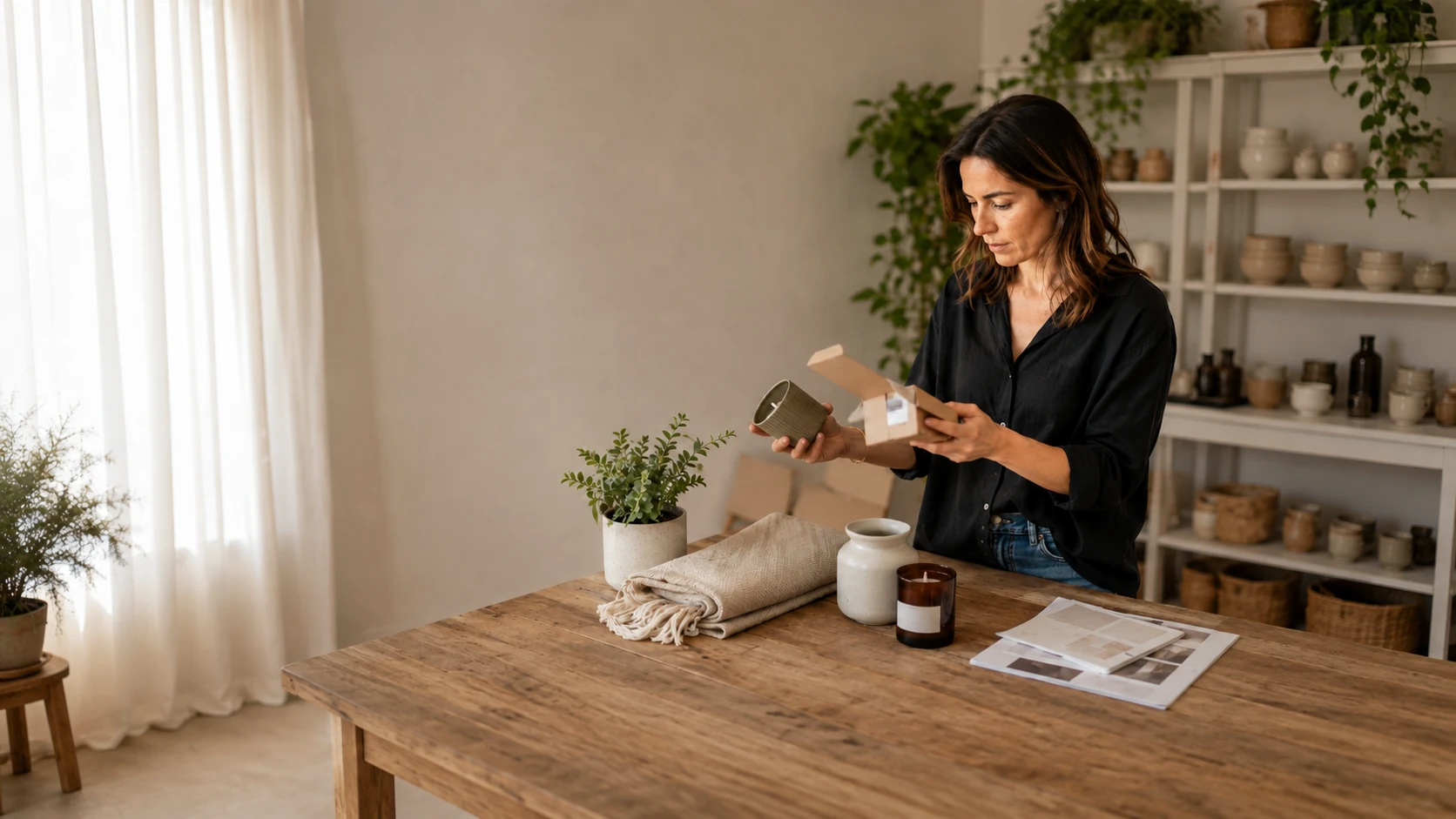
The categories below rank lower in purchase rate, but several are better opportunities than the top three for new and mid-size sellers. Lower competition. Better margins. Cleaner sourcing.
Health, Wellness, and Supplements (~25%)
This is one of the strongest growth stories of the decade. Women drive most household healthcare decisions and are the primary buyers of vitamins, supplements, sleep aids, hormone-aware wellness, gut health products, and fitness-recovery gear. Sub-niches that are working in 2026: magnesium and electrolyte products, perimenopause supplements, women-specific protein, mushroom and adaptogen products, sleep stacks, and CBD-adjacent wellness.
Compliance matters. Health claims are tightly regulated. Stick with reputable, certified suppliers and avoid making any claim your supplier can't back up.
Home, Decor, and Small-Space Upgrades (~19%)
Women drive somewhere between 80% and 90% of home decor purchase decisions in U.S. households. Online demand has shifted from "buy a new sofa online" (still hard, returns are nightmares) to "buy 20 little upgrades over the year": vases, throws, candles, wall art, rugs, planters, organizers. Personalization, warm minimalism, and "small-batch home" are all on the rise.
This is a great category for first-time sellers because individual items are affordable, gift-worthy, and shippable.
Jewelry and Accessories (~20%)
Lightweight, high-margin, gift-driven, and easy to ship. Women buy jewelry online for themselves more than ever (the "self-gifting" trend), and demi-fine and personalized pieces are selling well above mass-market jewelry. Sustainable and lab-grown stones are now mainstream rather than niche.
The catch: trust matters. Customers want clear materials info (sterling silver vs. plated, hypoallergenic, etc.) and good photos. Cheap-looking listings underperform badly here.
Fitness, Leisure, and Hobbies (~22%)
Yoga, pilates, and at-home fitness are still going strong in 2026. Women buy yoga mats, resistance bands, weighted vests, foam rollers, recovery tools, dance and barre gear, and increasingly, gear for hobbies they took up after lockdown stuck (running, hiking, knitting, ceramics, gardening).
This category rewards sellers who pick a tribe and serve them well, instead of trying to be the everything-fitness store.
Groceries, Household, and Pharmacy (~25%)
Big in volume, dominated by giants (Amazon Fresh, Walmart, Instacart, Target, Kroger). Hard to compete on commodities. Where small sellers do win: subscription gift boxes, specialty foods (single-origin teas, sauces, gluten-free baking, snacks), eco-friendly household products (refillable cleaners, plastic-free essentials), and pet-care subscriptions for the household's other dependent.
If you do go specialty, tea, coffee, cleaning products, and protein bars are all sourceable through SaleHoo.
Electronics (~23%)
Women buy plenty of electronics, but margins on mainstream electronics are razor thin and Amazon owns the buyer journey. Where there's still a meaningful seller opportunity: women-targeted electronics accessories (cute laptop sleeves, stylish tech organizers, color-coordinated charging stations, Bluetooth jewelry, sleep-tracking rings), kid and family tech, and beauty-tech (LED masks, microcurrent devices, hair tools).
Auto Parts and Practical Buys (~14%)
The smallest category by purchase rate, but worth a paragraph because it's deceptively useful. Women influence around 80% of new vehicle purchase decisions in the U.S. and routinely buy interior accessories, car safety items, kid-car gear, and aesthetic upgrades online (seat covers, organizers, scent diffusers, dash cams, kid mirrors). It's a niche play, not a starter category, but for the right seller it's an underserved corner of women's ecommerce.
What's Actually Changing in Women's Online Shopping in 2026
The big shifts you should be designing your store around this year:
Social Commerce and TikTok Shop
TikTok Shop has reshaped impulse buying for women under 45 in 2026. Live shopping, creator-led product discovery, and one-tap checkout have moved real revenue. Beauty, fashion, home, and wellness all overperform on TikTok versus traditional ads. If you're sourcing for a women-led category, your launch plan should include creator seeding from day one. (Read more on TikTok ecommerce sales.)
Mobile-First, One-Thumb Checkout
About three-quarters of women shoppers prefer mobile devices for purchases (Hostinger, 2024). If your checkout takes more than three taps after add-to-cart, you're losing the sale to whoever has Apple Pay, Shop Pay, or Google Pay enabled. Mobile isn't a "trend" anymore; it's the default.
AR Try-On and the Return-Rate Fix
Augmented reality try-on is now expected in beauty and accelerating in apparel. Around 40% of shoppers say they'd pay more for products they can virtually test, and AR could prevent billions in fashion returns from sizing errors. If you're in fashion or beauty, even a simple shade-match or virtual try-on widget meaningfully improves conversion and reduces returns.
Dupe Culture and Value-Led Buying
After several years of price increases and tariff turbulence, women shoppers in 2026 are unapologetically value-driven. "Dupes" of expensive perfumes, skincare lines, and designer pieces are searched for openly. Bundles, free-shipping thresholds, and "small luxury" price points (the $20 to $40 sweet spot) are outperforming both ultra-cheap and premium tiers.
Sustainability, but Only When It's Specific
Around 80% of consumers say they trust companies that share sustainability data, and 50% of online apparel shoppers actively look for sustainable options. But generic "eco-friendly" claims are now ignored. What works: refillable packaging, recycled materials with %, certifications that mean something (GOTS, FSC, Cradle to Cradle), and resale or take-back programs. Specificity earns trust; vague claims don't.
How to Choose a Women's Product Category to Sell: A 5-Point Scorecard
Don't pick a category off a popularity chart. Run any candidate category through this checklist:
- Demand signal: Is there steady, year-round search demand, not just a 90-day spike? SaleHoo Insights tracks live demand and competition data so you don't have to guess.
- Repeat purchase: Does the customer come back every month or two? Beauty, supplements, and pet products win here. One-time fashion buys lose.
- Margin and shipping math: Cost of goods plus shipping plus ad spend, with at least a 2x markup left over. Lightweight categories almost always math out better than bulky ones.
- Return risk: Anything fitted (apparel, shoes, swim) carries higher returns. Anything topical (skincare, supplements) is much safer.
- Sourceability and trust: Can you find a vetted, communicative supplier with reasonable MOQs? This is where most sellers wing it and pay for it later. Use a supplier vetting process, or work with SaleHoo's pre-vetted directory.
A category that scores well on 4 out of 5 is usually a winner. Most beginners pick categories that score 1 or 2 because they're "obvious" (women's fashion, generic skincare). Be the seller who picks better.
Categories to Approach Carefully
A short, honest list. Not "never sell here," just "go in with your eyes open."
- Generic women's clothing: Crowded, high returns, low margins for new sellers. Niche or skip.
- Cheap jewelry from unverified suppliers: Skin reactions, tarnishing, and refunds will eat you alive.
- Supplements making medical claims: Regulatory risk is real; only sell what your supplier can document.
- Bulky home goods (large furniture, mattresses): Shipping kills margin, returns are operationally painful.
- Mainstream electronics: Amazon and Walmart own the buyer; you'll lose on price.
- Anything seasonal as a stand-alone business: A Halloween-only or summer-only store is a 90-day cash flow.
From Data to Your Store: a 4-Step Plan
You've got the data. Here's how to turn it into a real store, not just a saved tab.
- Pick one category and one sub-niche. Not "beauty," but "fragrance-free skincare for sensitive skin." Specific wins.
- Validate demand and competition. Use SaleHoo Insights to check live sell-through and competition data, plus Google Trends for seasonality. Read our walkthrough on how to find products to dropship that actually sell.
- Find vetted suppliers and request samples. SaleHoo's directory has 8,000+ pre-vetted wholesale and dropship suppliers across every category mentioned in this article. Always sample before you commit. Our guide on how to choose suppliers walks through the vetting checklist.
- Launch lean, test fast, and double down on what works. Start with 5 to 10 SKUs. Run small ad tests. Listen to your first customers. Most successful stores look nothing like their first product list six months in.
FAQs
Clothing and shoes lead globally (around 50%), followed by beauty and personal care (around 40%) and entertainment, books, and digital (around 30%). U.S. figures run 5 to 10 percentage points higher in each category.
Beauty and personal care, supplements and vitamins, household consumables, pet supplies, and groceries are the strongest repeat-purchase categories. Repeat purchase is what turns a one-time customer into a lifetime customer, so these categories are favorites for subscription and DTC stores.
Beauty and personal care, jewelry and accessories, home decor, and wellness products. They're light, ship cheaply, return less, and reward small sellers who niche down. Generic women's clothing is popular but usually a tough first category because of returns and competition.
Apparel, shoes, and swim are the highest. Skincare, supplements, jewelry, and home accessories are among the lowest.
Women shop more often in fashion, beauty, and home. Men over-index on tech and tools. Women spend less per transaction on average but shop more frequently, and are dramatically more likely to share recommendations with others, which is why social commerce skews female. Mobile is also stronger among women shoppers (about 75% prefer mobile).
Mobile, by a wide margin. Around three-quarters of female shoppers prefer mobile for purchases. If your store isn't fast and clean on a phone, you're losing sales.
Run it through the 5-point scorecard above: demand signal, repeat purchase, margins, return risk, and sourceability. Then validate with SaleHoo Insights and a supplier sample order before committing.
The Bottom Line
What women buy online in 2026 is no mystery. Clothing, beauty, entertainment, and a tier of strong secondary categories make up the bulk of the spend. What's less obvious, and what most articles miss, is that the best-selling category isn't always the best one for you to sell. Margins, returns, repeat purchase, and sourcing all matter just as much as raw demand.
Pick the category where the data and your situation line up. Validate before you commit. Source from suppliers you've vetted. And use what you learn from your first 50 customers to guide what you launch next.
If you'd like a hand with any part of that, SaleHoo's directory of 8,000+ vetted suppliers, Insights product research tool, and Shopify integration are all built to help you skip the guesswork and start selling faster. Take a look around when you're ready.
You've got this.
About this article
About the author


