Baby Wipes: Market Trends, Suppliers & 2026 Sales Outlook
Last updated Oct 26, 2026
Baby wipes drive steady repeat orders and rising online interest; 24-month searches are up about 40% and typical retail packs sell between $17 and $36, so the category clearly splits into budget refills and higher-priced specialty options. Buyers zero in on ingredients, sensitivity, scent, and sheet count, so product claims and pack size create the main comparison friction during purchase research. The items are bulky and consumable, which means shipping weight and pack-size mix shape margins and reorder cadence more than one-off marketing, and July shows a noticeable seasonal high tied to summer and registry activity. That points to commercial returns coming from repeat-buy economics and matching pack formats to household replacement cycles and occasional gift buyers.
Seasonal
Peak month: July


Data note: Growth and seasonality are based on relative market-interest signals, not guaranteed sales volume. See how SaleHoo calculates Market Insights.
Product details
 About the product
Baby wipes come as pre-moistened cloths packed in containers or refill bags, popular for cleaning infants’ skin gently and quickly. Buyers often pick wipes based on softness, hypoallergenic ingredients, and scent, aiming for options that suit sensitive skin and daily use. Sellers find steady demand since many parents reorder regularly, especially when offering various pack sizes that match household needs or travel use. Grouping budget-friendly and premium specialty wipes can help tailor your listings to different buyer preferences. Keep in mind that large pack sizes increase shipping costs, so balancing assortment with delivery expenses is key.
 Key details
-
$25
-
$17 - $36
-
High Month July
 Low Month December
Dropship products for Baby Wipes
Browse these curated products from SaleHoo Dropship. If you have a SaleHoo Dropship account, simply click the "Add to Import List" button to add them to your import list. Don't have an account yet? Click here to find out more

Fresh Scent Hypoallergenic Baby Wipes Bulk Pack
USD $20.1

Gentle Hypoallergenic Baby Diaper Wipes 64 Count
USD $2.62

Portable Baby Diaper Changing Pad with Wipes Pocket
USD $24.54
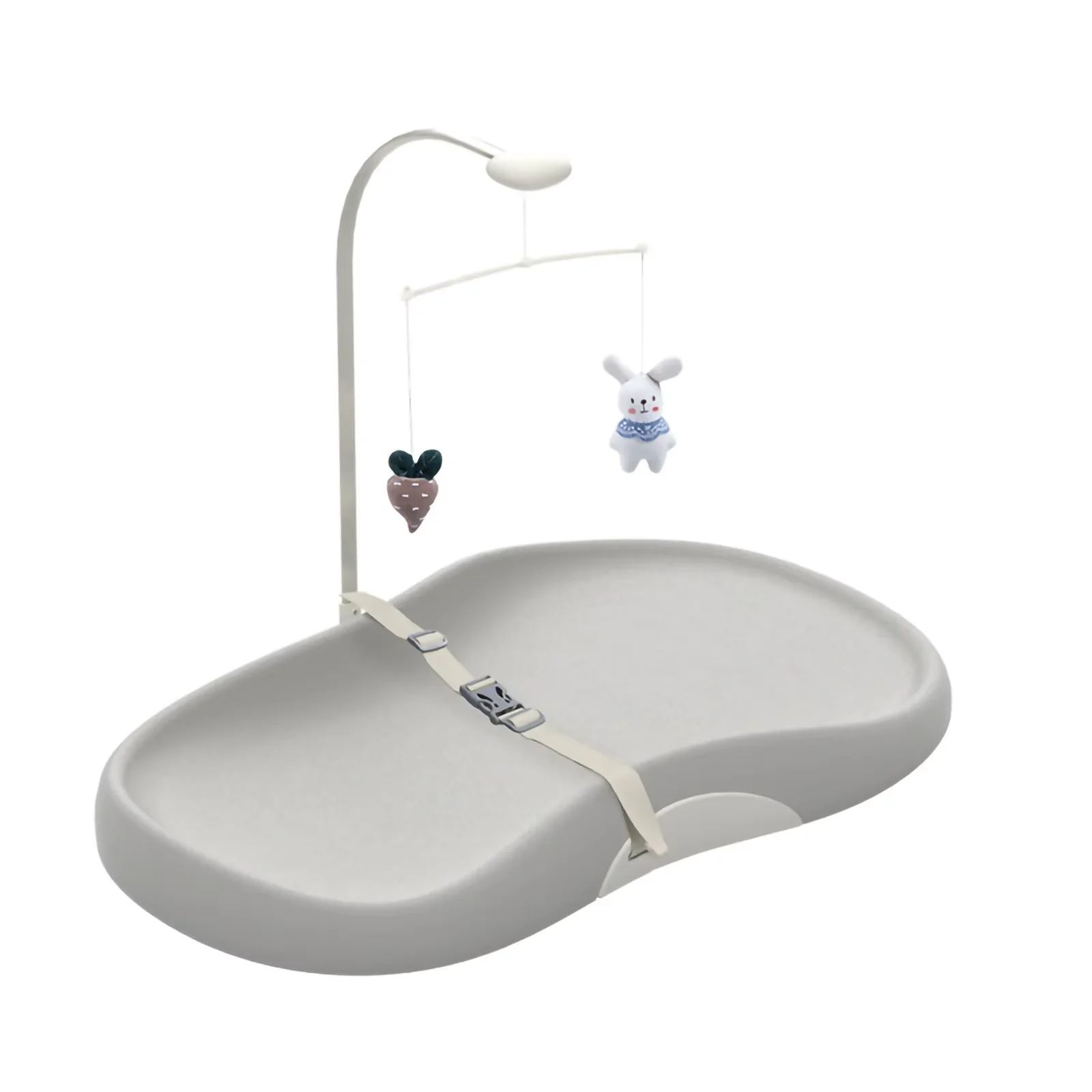
Contoured Baby Changing Pad with Wipe Clean Surface
USD $0

Ultra Fresh Flushable Wet Wipes for Adults and Babies
USD $6.16
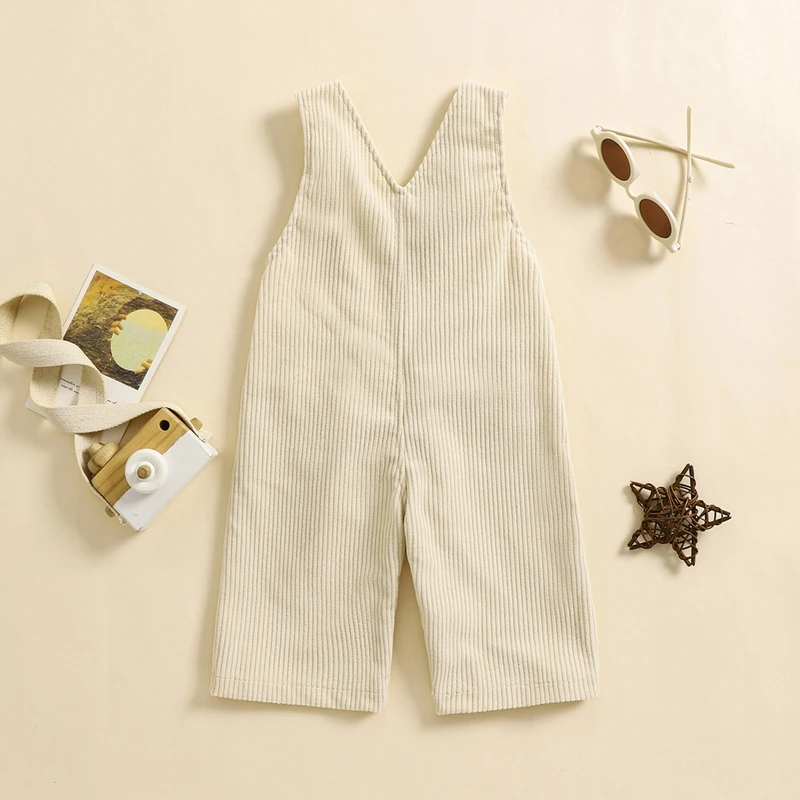
Lioraitiin Baby Girl Summer Wide Leg Jumpsuit
USD $6.42

Contoured Baby Changing Pad with NonSlip WipeClean Design
USD $44.56

250 Inch Extra Wide Retractable Baby Dog Gate
USD $193.6

Extra Wide Baby Gate with Cat Door Safeguard
USD $69.63

Retractable Extra Wide Baby Gate for Outdoor Use
USD $125.09

Wide Angle Baby Car Mirror for Backseat Safety
USD $8.57

Retractable Baby and Pet Safety Gate Extra Wide
USD $28.21
Top suppliers for “Baby Wipes”
Discover these curated supplier from SaleHoo Directory. If you have a SaleHoo Directory account, simply click the supplier name to get in touch with them. Don’t have an account yet? Click here to find out more
Supplier name
Country
Supplier type
About
Brands
Supplier name
Manufacturers
A prominent player in the wet wipes manufacturing industry, this supplier boasts over 20 years of experience in producing customized wet wipe solutions. They cater to a diverse clientele, including global distributors and brands, by offering OEM/ODM and private label services that meet specific requirements in quality, quantity, and delivery.
With a robust production capacity, they operate four high-speed production lines, generating over 2 million packs monthly. Their commitment to quality is reflected in their adherence to international standards, certified by GMPC, ISO, FDA, and SGS. The dedicated sales and after-sales support teams ensure clients receive timely assistance and guidance throughout the purchasing process.
This supplier specializes in a wide range of wet wipe products, including baby care, personal care, pet grooming, and disinfectant wipes, among others. They emphasize customization, providing various options for packaging design, liquid formulations, and non-woven fabric sourcing, ensuring that each product meets the unique needs of their clients.
As a trusted manufacturing partner, they prioritize quality control at every stage, from raw material sourcing to final product delivery. The supplier's flexibility and responsiveness have garnered positive feedback from clients across the globe, highlighting their ability to meet urgent demands while maintaining high standards.
For those interested in exploring their product offerings or learning more about their services, visiting their website or contacting them directly is encouraged.
Not available
Supplier name
Manufacturers
Operating within the wet wipes industry, this supplier is a leading OEM specialist recognized for its extensive experience and commitment to excellence. Established in 2001, the company integrates research and development, design, and manufacturing into a cohesive service that meets the specific needs of its clientele.
With an impressive management system and FDA-certified equipment, the supplier prides itself on its class 100k cleanroom workshops, ensuring the highest quality standards in product manufacturing. They cater to various sectors, providing tailored solutions for baby wipes, healthcare wipes, personal care wipes, and industrial applications, along with unique eco-friendly innovations. Their commitment to sustainability is exemplified by their use of plant-based and biodegradable materials in product development.
Moreover, as a trusted partner for numerous brand clients spanning over 75 countries, they have consistently delivered superior quality products that adhere to international standards. Their continuous investment in innovation and R&D allows them to stay ahead in the industry, meeting evolving market demands and challenges. The supplier invites interested parties to explore their comprehensive product range and capabilities by visiting their website or contacting them directly for further details.
Not available
Supplier name
Manufacturers
Operating within the personal care and industrial cleaning sectors, this supplier is recognized for its commitment to quality in the production of antibacterial wet wipes. With a dedicated focus on hygiene and convenience, they provide a diverse array of products designed to meet the cleanliness needs of individuals and businesses alike.
The company prides itself on utilizing advanced manufacturing techniques to create spunlace nonwoven wipes that are not only effective but also gentle on the skin. The product range includes household wipes, medical and sanitizing wipes, beauty and personal care wipes, baby wipes, and pet wipes. Each type is carefully formulated for its intended use, ensuring optimal cleanliness and safety.
For the medical sector, their sanitizing wet wipes are essential for maintaining hygiene in hospitals and care facilities. In the realm of beauty and personal care, the makeup wipes are designed to effectively remove makeup while moisturizing the skin. Household wipes offer convenience for everyday cleaning, while baby and pet wipes ensure gentle care for the most sensitive skin.
Since its establishment, the firm has expanded its reach to over 75 countries, affirming its status as a reliable partner in the nonwoven product market. Their cleanroom facilities set high standards for manufacturing practices, enhancing product reliability.
For more detailed information on their product offerings and services, interested parties are encouraged to visit the website or contact directly.
Not available
Supplier name
Manufacturers
This manufacturer operates within the consumer products industry, providing a comprehensive array of cleaning and hygiene products tailored for both personal and commercial use. With over two decades of experience, the company has established a reputation for quality and innovation, serving clients across more than seventy countries worldwide.
The company's state-of-the-art facilities are equipped with automated production workshops and advanced laboratories, ensuring that each product meets rigorous international standards. From disinfectants to laundry detergents, their commitment to quality is evident in each item they produce. With a focus on sustainability and effective solutions, they offer diverse product lines to satisfy varied market demands.
Their product portfolio includes everything from hand sanitizers and mosquito coils to baby care items and household cleaning agents. They also provide OEM and ODM services, catering to specific client requirements, thereby enhancing customer satisfaction and fostering long-term partnerships.
Moreover, through stringent quality control measures, the company guarantees that each production lot undergoes thorough inspection, ensuring reliability and excellence. Their dedication to service extends to their well-established distributor system, which spans globally, providing localized support and availability.
Continuously innovating, the company draws upon its research and development resources to create best-in-class products tailored to meet evolving consumer needs. For further information and to explore their offerings in detail, visit their website or contact them directly for personalized assistance.
Joby, Mystic, Cleace, Bububear, Suning, Iwash
Supplier name
Wholesalers
This supplier is a key player in the general merchandise sector, providing an extensive inventory that caters to various customer needs. Their offerings include personal care products, automotive parts, and a plethora of smoking accessories, showcasing an impressive variety of items that appeal to a diverse clientele.
Recognizing the evolving demands of the marketplace, they ensure that all products meet the highest standards of quality and safety. From essential baby care products to novelty items, the supplier prides itself on providing goods that enhance everyday living for its customers.
Additionally, their focus on niche categories such as herb grinders, smoking pipes, and various types of rolling papers reflects a commitment to serving both enthusiasts and casual users alike. Their knowledgeable team is dedicated to assisting customers in finding the right products to suit their preferences.
The supplier encourages potential partners and customers alike to explore their offerings. For more information about their extensive product range and special promotions, interested individuals can visit the website or contact the customer service team directly for personalized assistance. They are committed to ensuring a positive shopping experience for all clients, reinforcing their reputation as a trusted supplier in the general merchandise industry.
Advil, Lookah, Huggies, Xtra, Blazy Susan, Raw, Toxic Waste, Bob Marley, Airheads Candy, Aleaf, Hipster Glass, Indigo Glass, Koko's Candy, Warheads Candy
Supplier name
Wholesalers
This local family-owned company has established itself as a key supplier in the cleaning supplies industry for over 35 years. With a focus on providing quality products, they cater to a diverse clientele that includes schools, nurseries, offices, housing associations, and medical practices.
The supplier offers an extensive range of cleaning supplies, including paper disposables, cleaning chemicals, hygiene products, and equipment tailored for kitchens and washrooms. They pride themselves on their ability to help businesses save money and time through efficient supply methods, as well as free next-day delivery options and helpful stock check services.
Their commitment to customer satisfaction is evident in their friendly approach, with a knowledgeable team that is ready to assist clients in choosing the right products to meet their specific needs. This dedication to service ensures that their customers receive not only high-quality products but also valuable advice tailored to their unique circumstances.
In addition to competitive pricing on an array of products—ranging from cleaning liquids and disposable gloves to catering supplies—the company maintains a strong community presence in the North West. Clients are encouraged to visit their trade counter or reach out via phone or email for further assistance. To discover more about their offerings or for any inquiries, potential customers are invited to contact this reputable supplier directly or visit their website.
Not available
Supplier name
Manufacturers
This supplier is a key player in the eco-friendly baby products sector, focusing on organic cloth diapers and accessories. They prioritize the use of natural fibers, offering a range of sustainable options designed for environmentally conscious parents.
With a commitment to quality and sustainability, their products include a variety of cloth diaper solutions made from 100% certified organic cotton, hemp blends, and Oeko-Tex certified wool. Each item is handcrafted in Asheville, North Carolina, ensuring a focus on both craftsmanship and environmental responsibility.
The one-size-fits-all cloth diapers are particularly noteworthy for their innovative design, allowing them to adapt as children grow. The supplier’s use of upcycled materials adds an aesthetic touch, giving each product a unique character while also minimizing waste.
Beyond just diaper products, the supplier also offers accessories aimed at supporting mothers, such as organic nursing pads. Their comprehensive range of eco-friendly products expands into biodegradable detergents that maintain the quality of reusable baby items while being gentle on the planet.
In an era where sustainability is increasingly important, this supplier provides solutions that allow parents to make responsible choices without compromising on quality or effectiveness. For those interested in exploring their full range, more information is available on the website or by contacting them directly.
Not available
Supplier name
Wholesalers
Operating within the cleaning industry, this supplier stands as a leading figure in the distribution of janitorial and food service products. With an impressive catalog of over 1,000 lines, the company has rapidly positioned itself as one of Australia’s fastest-growing commercial cleaning brands.
The business prides itself on its dedication to quality and local conditions, ensuring that all products are designed with the Australian market in mind. This commitment to local adaptation is evident in their close collaboration with the cleaning industry to develop effective solutions.
In addition to their extensive product range, they serve as the Asia-Pacific Master Distributor for renowned window cleaning products, providing top-tier solutions that emphasize efficiency and durability. Their innovative approach includes recent acquisitions that enhance their product offerings, such as exclusive distribution rights for several noteworthy brands.
Notably, this supplier has expanded its portfolio with cutting-edge cleaning systems, which are specifically designed to minimize injury risk for professional cleaners. These advancements demonstrate their commitment to not only improving cleaning efficacy but also enhancing the health and safety of those in the industry.
With ongoing product developments and a strong focus on customer service and satisfaction, this supplier continually seeks to provide great products at incredible value. For more insight into their offerings and innovations, potential clients are encouraged to visit their website or reach out directly to explore available solutions.
Unger, Sorbo, Numatic, Haaga, Duop, Glomesh
Supplier name
Wholesalers
Operating within the baby and children’s products sector, this supplier specializes in providing quality items designed to assist parents and caregivers. Their extensive product selection ranges from sleeping bags and carriers to nursery essentials and travel accessories. With a commitment to quality and innovation, they source products that ensure both functionality and comfort for children.
Their innovative offerings include unique sleeping solutions that foster better sleep for babies, alongside practical feeding accessories that make mealtime enjoyable. Additionally, their well-designed travel products enable families to explore the world with ease and security. Recognized for their collaboration with notable brands, they ensure a curated collection that resonates with modern parenting needs.
Retailers partnering with this supplier benefit from their reputation for excellent customer service, a user-friendly ordering process, and an unwavering commitment to delivering products that parents trust and love. Their portfolio includes award-winning brands, showcasing their ability to stay ahead in a dynamic market.
To explore their full range of products or for further inquiries, retailers are encouraged to visit the website or reach out directly for assistance. Their focus on quality and customer satisfaction continues to set them apart in the marketplace.
Crane, Hauck, Luma, Bumkins, Woolbabe, Little Bird Brands, Yogasleep
Supplier name
Manufacturers
Operating within the hygiene product sector, this manufacturer excels in the production of wet wipes, delivering custom solutions that cater to diverse consumer needs.
With a foundation established over 21 years ago, the company has significantly developed its capabilities in the design, development, and mass production of wet wipes, catering to both personal and industrial applications. Their extensive experience positions them as a reliable choice for businesses seeking quality solutions in the wet wipes market.
Boasting three state-of-the-art production plants equipped with 12 highly automated production lines, they have an impressive capacity of nearly 30 million packs of wipes annually, with plans for future expansion in response to market demands. Each product is crafted with precision, utilizing advanced manufacturing techniques, including a cleanroom environment that ensures the utmost hygiene in production.
The comprehensive product line spans various categories such as baby wipes, pet wipes, makeup remover wipes, household cleaning wipes, car wipes, and more. This wide array ensures that customers can find tailored solutions to meet their specific needs, whether for personal care or industrial usage.
With a commitment to quality, competitive pricing, and customer satisfaction, this manufacturer not only supplies products, but also partners with clients to support their branding efforts in the ever-evolving market.
For inquiries or to learn more about their extensive product offerings, please visit their website or contact them directly.
Not available