
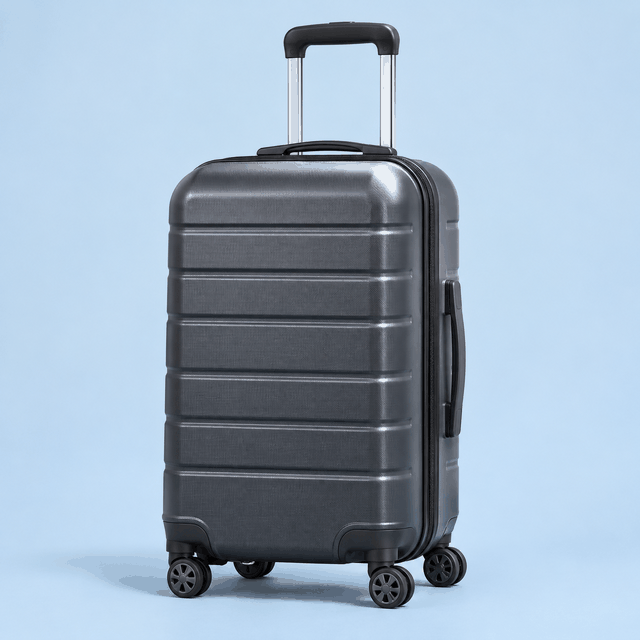
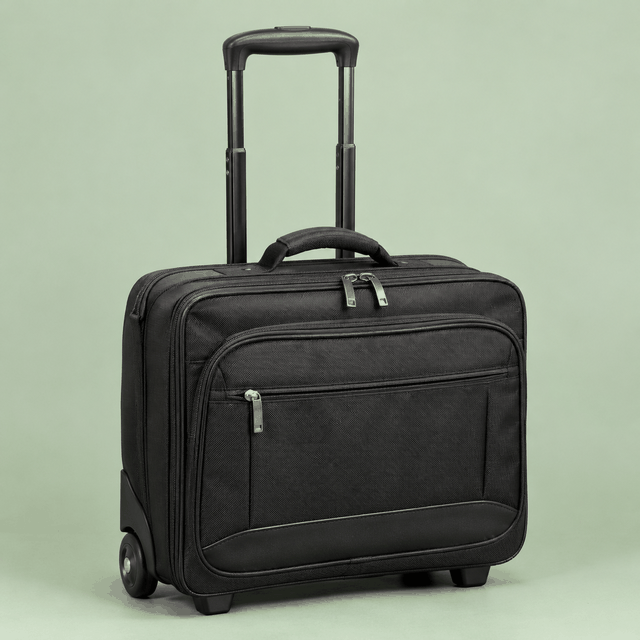
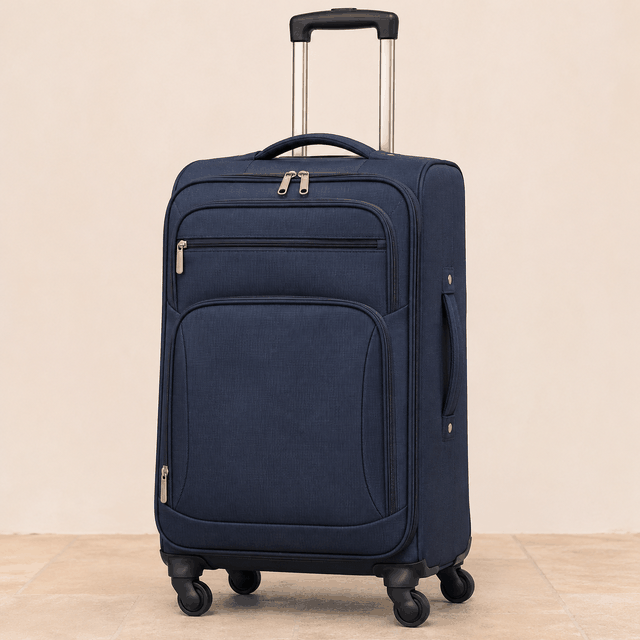


A sample of 20, by what they sell
These 20 best-matched suppliers span travel luggage, fashion handbags, leather bags and wallets, plus functional backpacks and waterproof carry products. The groupings make it easier to compare like with like while keeping different materials and use cases visible. This page is a focused sample from the wider SaleHoo directory, where members can explore thousands of additional supplier records.
Travel luggage, carry-ons and rolling bags
These suppliers cover hard and soft luggage, carry-ons, rolling duffels, garment bags and travel backpacks. Compare dimensions, wheel and handle construction, case materials, internal fittings and carton quantities before deciding which formats suit your range.


Handbags, clutches and crossbody styles
This group brings together wholesalers and manufacturers with focused handbag ranges, including totes, shoulder bags, clutches, purses and crossbody designs. Review material specifications, colour consistency, closures, linings and available samples when comparing fashion-led collections.


Leather bags, wallets and business cases
Leather-focused suppliers span handbags, wallets, briefcases, laptop bags, duffels and smaller carry goods. Ask each business to identify the leather type, finish, hardware specification and care requirements for the exact products under consideration.


Backpacks, waterproof bags and everyday carry
The suppliers here offer backpacks and purpose-led carry products for work, school, outdoor use and travel. Capacity, seam construction, strap reinforcement, water-resistance claims and compartment layouts are useful points to confirm against samples.



How we chose these 20 suppliers
These are 20 of the best-matched wholesale suppliers for Handbags & Luggage under the stated methodology. Records first had to be gold, silver or bronze and explicitly tagged as a wholesaler or manufacturer; pure liquidators were excluded. We then assessed category product fit, specialism, ordering usefulness and data confidence. Product fit carried 60 points and had to reach at least 40. The remaining components carried 20, 10 and 10 points respectively. Country identifies supplier location, not dispatch origin.
What to check before ordering
Confirm these points directly before committing to a supplier.
- 01
Can I approve a representative sample?
Ask for a sample from the intended production materials and colourway. Check seams, lining, zip action, closures, handles, straps, feet and internal fittings.
- 02
What material specification will be supplied?
Confirm the exact leather, synthetic, textile or case-shell material, including thickness, finish, colour tolerance and any supporting documentation relevant to the product.
- 03
How do MOQ and landed cost work?
Request the minimum by style, colour and carton, then add sampling, branding, packaging, freight, duty and local handling to compare the real unit cost.
- 04
What are the pack and carton details?
Check units per inner and master carton, assortment rules, carton dimensions and gross weight. Bulky luggage can change freight economics quickly.
- 05
What is the production and replenishment lead time?
Separate sample, first-order and repeat-order timelines. Ask when materials are reserved and how delays or partial availability are communicated.
- 06
Which quality risks are checked?
Agree inspection points for stitching, edge finish, hardware plating, wheel tracking, telescopic handles, odour, colour transfer, abrasion and loaded strap strength as relevant.
Wholesale Handbags & Luggage FAQs
Start with a narrow product brief rather than a large mixed catalogue. Define the intended customer, material, target dimensions, essential features and acceptable order size. Then compare suppliers with direct depth in that format. For example, the US Rolling Luggage and Business Bag Manufacturer is a more direct option for wheeled cases, while the China PU Handbag Manufacturer is more relevant to fashion totes and shoulder bags. Order representative samples and compare the total landed cost before committing.
Hard-shell luggage uses a rigid outer case, while soft luggage uses textile or other flexible outer materials. The choice affects weight, packing flexibility, impact behaviour, abrasion, storage and the way damage appears. The India Bags and Luggage Manufacturer and China Backpack and Luggage Manufacturer both list hard and soft formats, which makes them useful comparison points. Ask for the exact shell or textile specification, case weight, wheel and handle details, internal construction and carton dimensions for each model.
Avoid relying on broad labels such as leather, PU or fabric alone. Ask for the exact material composition, grade, thickness, finish, backing, lining and colour tolerance. For leather, clarify hide type and surface treatment; for synthetic materials, request the construction and care guidance. Inspect samples for odour, colour transfer, edge finishing, crease recovery, stitching and hardware attachment. The British Leather Handbag and Purse Wholesaler lists several named hides, while the Italian Leather and Fabric Bag Wholesaler spans leather, synthetic and fabric options.
Calculate beyond the quoted unit price. Include samples, moulds or development charges, branding, labels, packaging, inner packs, master cartons, inspection, freight, insurance, duty, brokerage and local delivery. Luggage is bulky, so carton dimensions and the number of nested pieces can materially affect freight. Also confirm whether the minimum applies by design, colour or total order. The US Wheeled Luggage Wholesaler has a stated $101 - $500 minimum-order band; the exact product mix and carton requirements still need direct confirmation.
Match the inspection to the product. For handbags, examine stitch density, seam alignment, lining, edge paint, closures, strap anchors and hardware finish. For rolling luggage, add wheel tracking, handle extension, case deformation, zip path and loaded drop or pull checks appropriate to the design. Waterproof products need written construction details and an agreed test method rather than a label alone. Keep an approved sample and specification sheet so the production order can be compared against the same standard.
Agree packaging and damage procedures before the first shipment. Ask how each item is protected, whether cases are nested, how cartons are marked and what evidence is required for transit claims. Clarify the process and time limit for shortages, cosmetic defects, wheel or handle failures and concealed damage. Do not treat the supplier’s country as the dispatch point. Obtain the actual collection address, shipment dimensions and available freight terms for the order you plan to place.
No. A supplier’s support for selling on a marketplace indicates permission or suitability in the supplier data; it does not establish an API, app, live stock feed or automated order routing. For any marketplace workflow, ask separately about product data formats, image rights, inventory updates, identifiers, order submission, tracking and return handling. Confirm these points directly and test the operational process before depending on automation.
