
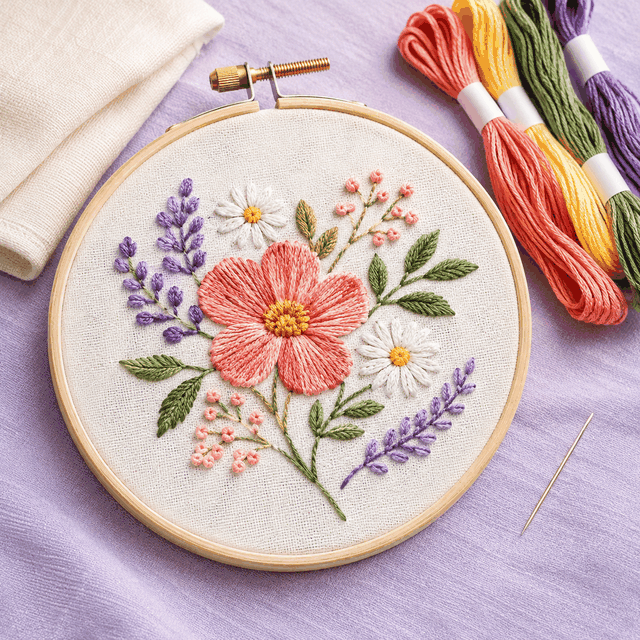
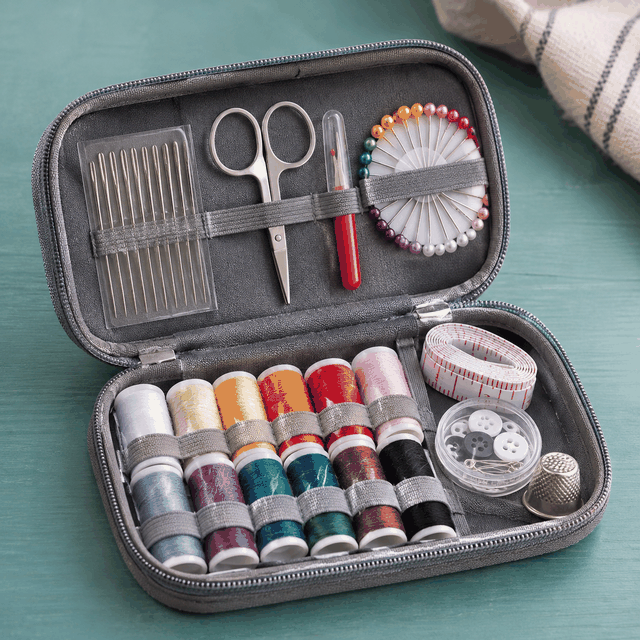
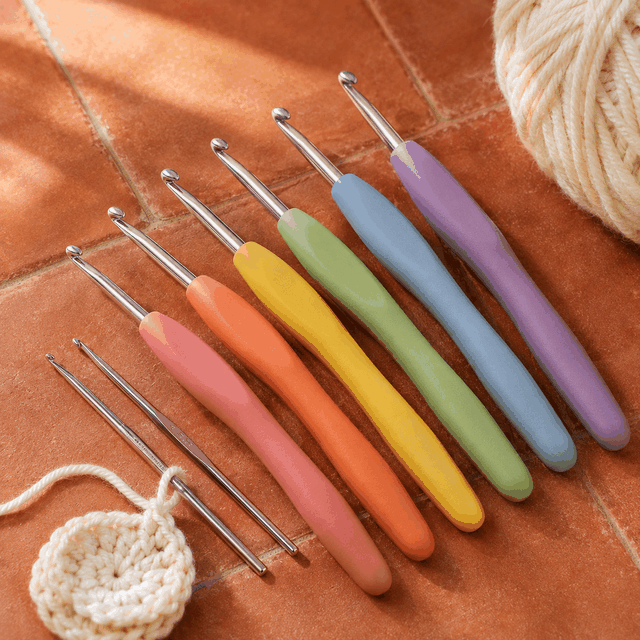


A sample of 25, by what they sell
The range covers sewing and haberdashery, fabrics and quilting, ribbons and trims, fibre and felting, paper and mixed media, and beading and jewellery making. These 25 suppliers were chosen for clear product relevance and useful sourcing detail. They represent a focused sample from the wider SaleHoo directory, where members can compare additional businesses and adjacent product lines.
Sewing tools, notions and haberdashery suppliers
These suppliers cover project kits, machines, thread, zips, buttons, labels, fasteners and hand-sewing tools. The mix ranges from broad retail-ready haberdashery to specialist closures and heavier upholstery equipment, so compare the product focus with the projects your customers actually make.


Dressmaking, craft and quilting fabric suppliers
Fabric options span cotton, linen, silk, wool, synthetics, batting, interfacing, specialist finishes and artisan techniques. Some ranges are broad, while others focus on quilting, swatches or performance textiles. Order samples where available and confirm width, weight, composition and repeat details for each line.


Ribbon, lace and decorative trim suppliers
Dedicated ribbon ranges provide satin, velvet, grosgrain, organza, lace, wired and adhesive formats, plus cords and embellishments. These products can serve sewing, floristry, wrapping and event crafts, but roll length, colour consistency and edge construction should be checked at the item level.


Yarn, fibre and felting suppliers
The fibre-craft group concentrates on yarn kits, knitting tools, wool felt, craft fibres, felting tools and project kits. It suits retailers building hands-on ranges for knitting, needle felting and doll making, with complementary books and guided kits available in the listed assortments.


Papercraft, mixed media and craft blank suppliers
Cardstock, stamps, dies, stencils and scrapbooking pieces sit alongside paints, transfer media, blanks and broader institutional craft materials. The group supports both traditional paper projects and personalisation workflows, so equipment compatibility and consumable specifications deserve close comparison before ordering.




Beads, findings and jewellery-making suppliers
Beads, tools, chains, clasps, pins, hooks, wire, charms and settings make up this component-focused group. Each supplier leans differently toward studio tools, broad findings or vintage-style materials, giving jewellery makers several ways to assemble a coherent range without relying on finished pieces.


How we chose these 25 suppliers
These are 25 of the best-matched suppliers for this category based on the stated methodology. We reviewed all 7,126 type-eligible supplier records and ranked genuine matches by product fit (60 points), category specialism (20), usefulness (10) and data confidence (10). The wholesale rule required an explicit Wholesalers or Manufacturers tag and an eligible gold, silver or bronze classification. Country identifies supplier location, not dispatch origin.
What to check before ordering
Confirm these points directly before committing to a supplier.
- 01
Can you approve samples first?
Request representative fabric, thread, trim or component samples and compare colour, weight, hand feel, finish and dimensions with the stated specification.
- 02
How consistent are repeat orders?
Ask how dye lots, print runs, fibre composition, ribbon colour and hardware finishes are controlled when you need to replenish the same line.
- 03
What is the real order threshold?
Confirm whether minimums apply by SKU, colour, bolt, roll, pack or total order, and whether sample orders use different terms.
- 04
What will the landed unit cost be?
Calculate usable metres or pieces after freight, duties, packaging and expected cutting waste rather than comparing catalogue prices alone.
- 05
How are products packed and measured?
Check bolt length, fabric width, ribbon roll length, kit contents, bead counts, pack quantities and whether tolerances are documented.
- 06
What are production and restock lead times?
Separate in-stock dispatch timing from made-to-order, custom-dyed, printed or branded work, then confirm how backorders and discontinued designs are handled.
Wholesale Craft, Fabric & Sewing Supplies FAQs
Start with a narrow project family rather than trying to stock every craft at once. A sewing-focused shop might compare the Australian Needlecraft & Haberdashery Wholesaler for broad kit and tool coverage with the British Fabric & Haberdashery Wholesaler for fabric and everyday notions. Review minimum-order terms, pack sizes and sample access, then build a small range in compatible colours and materials. Expand only after you understand which formats, weights and replenishment cycles work for your customers.
Fabric is the material base, such as cotton, linen, fleece, felt or quilting textile. Haberdashery covers the practical components and tools used to assemble or finish projects, including thread, zips, buttons, interfacing, scissors and tape measures. Craft supplies are broader and can include paper, paint, blanks, resin, beads and project kits. Many suppliers overlap these areas, but a direct product list helps distinguish a genuine sewing range from a catalogue that only happens to include one textile item.
A supplier-level statement of no minimum order does not tell you the selling unit. Fabric may still be sold by bolt, roll, metre or pre-cut bundle, while buttons, beads and findings can come in fixed packs. A stated dollar range also should not be converted into a single threshold without confirmation. Ask for the minimum by SKU and colour, sample-cut availability, pack quantity, and any price breaks. Then calculate landed cost using the quantity you can realistically sell, including freight and cutting waste.
For fabric, verify composition, width, weight, stretch, colourfastness, shrinkage, surface finish and pattern repeat. For ribbons and trims, check roll length, edge construction, wired or adhesive properties, colour consistency and whether the finish suits washing or repeated handling. Thread, zips and fasteners should be tested with the intended material weight and use. Keep approved samples and specifications for repeat orders, especially where dye lots, printed runs or hardware finishes can vary between production batches.
Confirm the exact dispatch location, carton dimensions, freight method, order lead time and the documentation available for the specific materials you plan to buy. Requirements can differ for paints, adhesives, dyes, tools, natural fibres and children's craft kits, so ask the supplier for composition and safety documents where they are relevant to your market. Supplier country is not proof of shipping origin. Build duties, taxes, broker charges and realistic transit time into the landed-cost calculation before committing to volume.
The three selected jewellery-making suppliers cover different needs. The US Jewellery Tools & Beading Wholesaler lists tools, beading supplies and chain findings. The US Jewellery Components Manufacturer adds beads, clasps, hooks, kits and leather craft. The US Vintage Beads & Findings Wholesaler provides a particularly broad component inventory, including beads, pins, wire, clasps, settings and glues. Compare metal composition, plating, dimensions, hole sizes, pack counts and finish consistency before building coordinated kits or collections.
Match the supplier to the production method. Cardmaking ranges should provide compatible stamps, dies, cutting plates, cardstock and inks. Scrapbooking and mixed-media ranges need coordinated surfaces, adhesives, embellishments and colour media. Personalisation work adds another layer: heat-transfer vinyl, sublimation paper, UV DTF transfers and blanks must suit the equipment, temperature and surface involved. Request current technical instructions for each consumable and test a small batch on the exact blank you plan to stock before scaling an order.
