
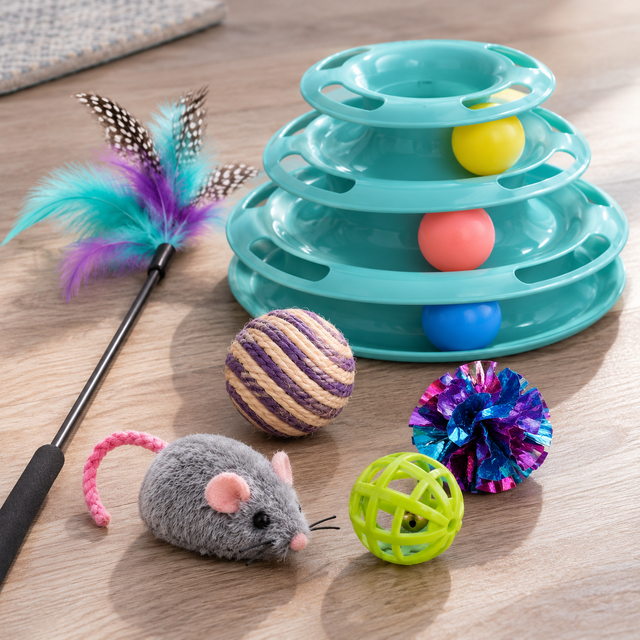
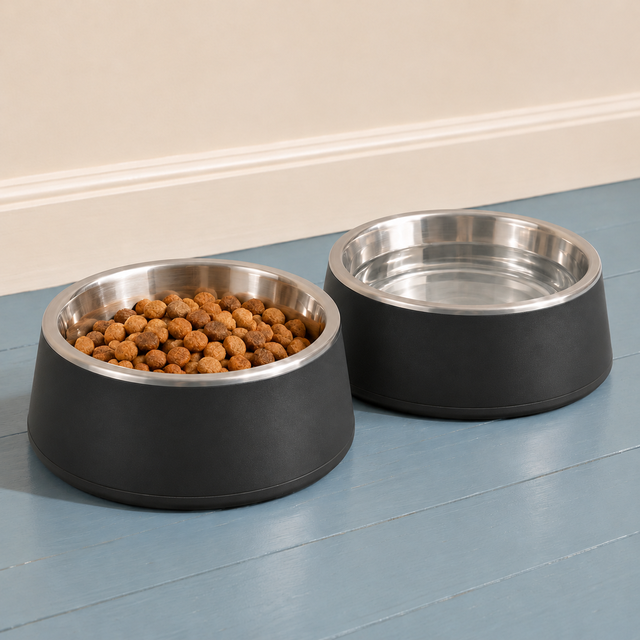


A sample of 25, by what they sell
The 25 selected suppliers are grouped by their strongest documented range: broad multi-pet supplies; beds, housing and care; walking and training; apparel and travel; food, treats and feeding; litter and hygiene; and aquarium supplies. Each card highlights exact listed products and a practical sourcing fit, while ordering terms and specifications should be confirmed directly.
Broad pet supply ranges
These suppliers cover several animal types or combine everyday accessories, feeding, grooming, housing and care products. Their breadth suits retailers building a mixed pet department, while exact case packs, territory coverage and stock availability still need direct confirmation.


Beds, housing and care equipment
This group focuses on sleep, containment, litter management and breeding-care products. Compare dimensions, washable components, replacement parts and material specifications, especially where bulky products or heat-related equipment can change freight costs and after-sales requirements.


Collars, leads and training gear
The ranges here centre on collars, leads, harnesses, toys and training accessories. Review size grading, hardware strength, textile specifications and packaging before ordering, and confirm how colors or patterns are assorted within wholesale packs.


Pet apparel, carriers and travel accessories
These suppliers combine clothing, carriers, beds and portable accessories. They are useful for lifestyle-led assortments, but retailers should request size charts, fabric details, care instructions and packed dimensions before comparing unit economics.


Pet food, treats and feeding products
Food and treat ranges require closer checks on formulations, shelf life, storage, case quantities and market documentation. The selected suppliers span raw, frozen, freeze-dried and dry products alongside bowls and feeding accessories.


Cat litter, training pads and hygiene products
These manufacturers specialise in cat litter and absorbent training products. Compare material composition, dust and tracking information, absorbency specifications, bag weights, pallet quantities and private-label terms before calculating freight and retail positioning.


Aquarium food, equipment and maintenance supplies
These aquatic ranges include food, filtration, lighting, water-care and aquarium hardware. Confirm electrical specifications, consumable compatibility, replacement parts and freight protection for fragile or liquid products before placing a wholesale order.


How we chose these 25 suppliers
These are 25 of the best-matched suppliers for Pet Supplies based on the stated methodology. The curated selection covers 7 product groups and applies the wholesale supplier-type and source-classification rules. Gold, silver and bronze are source classifications, not a new verification. Product fit carries 60 points, category specialism 20, usefulness 10 and data confidence 10. Country is the supplier location; confirm dispatch origin directly.
What to check before ordering
Confirm these points directly before committing to a supplier.
- 01
Can you provide representative samples?
Inspect fit, finish, odor, seams, closures, hardware and packaging using production-equivalent samples before approving a larger order.
- 02
Are materials and specifications consistent?
Request material declarations, dimensions, weight tolerances and component specifications for beds, toys, collars, bowls, enclosures and powered equipment.
- 03
What is the true landed cost?
Confirm MOQ, case packs, mixed-SKU rules, freight, duties and surcharges. Bulky beds, cages, litter and liquids can shift unit economics substantially.
- 04
How are packs, dates and variants handled?
Check inner and master quantities, assorted colors or sizes, date coding, remaining shelf life and storage needs for food, treats and care products.
- 05
What are production and replenishment lead times?
Ask about current stock, production windows, reorder cadence, back-order handling and seasonal cutoffs for the exact SKUs under consideration.
- 06
Which quality documents are available?
Request relevant test reports, ingredient or composition data, electrical details and traceability documents for the product and destination market.
Wholesale Pet Supplies FAQs
Start with a narrow assortment and choose suppliers whose listed range clearly matches it. Compare MOQ, case packs, samples, lead times and freight using the same set of SKUs. Broad suppliers such as the Australian Multi-Pet Accessories Wholesaler can simplify a mixed category, while specialists may offer deeper choice within beds, collars, food or aquatics. Confirm all current terms directly and avoid judging value from unit price alone, especially for bulky, fragile, chilled or date-sensitive products.
A broad catalog can cover several animals and product families, which may simplify ordering and help fill a mixed pet department. A specialist range usually offers more depth within one need, such as the Canine Collars, Leads and Muzzles Manufacturer or the Australian Dog Bed Manufacturer. The better model depends on your assortment. Compare the number of genuinely useful SKUs, pack sizes, replenishment terms and product documentation rather than assuming that a larger catalog is automatically a better fit.
Build a landed-cost sheet at SKU and carton level. Include minimum order, inner and master packs, mixed-case rules, freight, duties, payment costs and expected damage or expiry exposure. Beds, cages and aquariums can be volume-heavy even when unit prices look attractive; food and treats can tie up cash through case quantities and shelf life. Ask whether the stated minimum applies to the full order, each style, each size or each color before comparing suppliers.
For soft goods, check fabric composition, seam strength, fill distribution, wash instructions and replacement-cover availability. For collars, leads and harnesses, review size grading, stitching, hardware, closures and any stated load or use limits. For toys, inspect small parts, material details and construction consistency. Request production-equivalent samples and relevant test documentation for the destination market. A sample helps with inspection, but it does not replace batch controls or current compliance evidence.
Ask for complete ingredient and nutritional information, date coding, remaining shelf life at dispatch, storage conditions, case configuration and traceability details. Confirm whether products are dry, chilled, frozen, raw or freeze-dried because each format changes transport and handling. The Raw and Freeze-Dried Pet Food Wholesaler is relevant to specialist formats, while the Organic Dog Treat Manufacturer offers a deep treat range. Buyers remain responsible for checking documentation and market requirements before sale.
Confirm dispatch location, freight service, tracking, damage reporting windows and who pays for returns or replacements. Ask how fragile aquariums, liquids, litter, bulky beds and cages are packed, and request carton dimensions before estimating freight. Food may need temperature or shelf-life controls. Do not treat the supplier’s country as proof of shipping origin. Agree in writing how shortages, damaged cartons, defective hardware, incorrect variants and date-sensitive stock will be resolved.
Confirm voltage, plug type, rated frequency, instructions, warranty handling and replacement-part availability for heaters, pumps, lighting and other powered products. For filters and consumables, verify model compatibility and reorder continuity. Ask how glass, liquids and fragile components are protected in transit. The Aquarium Food and Equipment Wholesaler and Aquarium and Reptile Supplies Wholesaler both list broad aquatic ranges, but exact specifications and destination-market documentation must be checked for each SKU.
