


A sample of 25, by what they sell
These 25 best-matched suppliers are organised across office essentials, filing and organisation, writing instruments, notebooks and planners, school and art supplies, and printed paper goods. They represent a practical sample from the wider SaleHoo directory, with wholesalers and manufacturers selected for clear category relevance and specific product evidence.
Office supplies and everyday workplace essentials
These suppliers cover practical workplace ranges such as paper, envelopes, writing supplies, staplers, printer ink and general office products. The mix suits buyers comparing broad catalogues with more focused office lines and documented wholesale ordering terms.



Filing, binders and desk organisation
Folders, binders, filing systems, letter trays and desk organisers sit at the practical end of the category. These ranges are useful for workplace resellers, education buyers and promotional programmes that need functional organisation products.


Pens, pencils, markers and writing tools
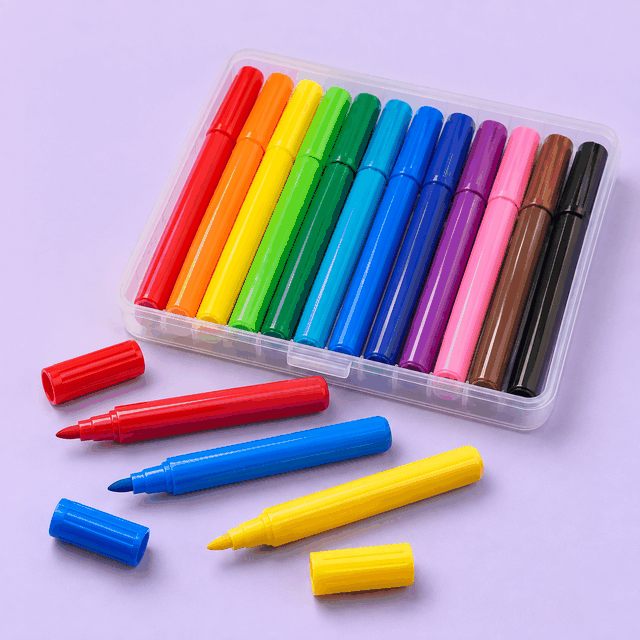
This group spans everyday pens and mechanical pencils through calligraphy tools, artist markers, highlighters and correction products. Buyers can compare tightly focused writing ranges with broader stationery collections carrying related paper and desk accessories.


Notebooks, journals and planners
Notebooks, journals, planners and sketchbooks cover personal organisation, gifting, education and branded merchandise. Several suppliers document complementary envelopes, fine papers, greeting cards or custom stationery, giving buyers different ways to shape a coherent paper-goods range.


School, classroom and creative supplies
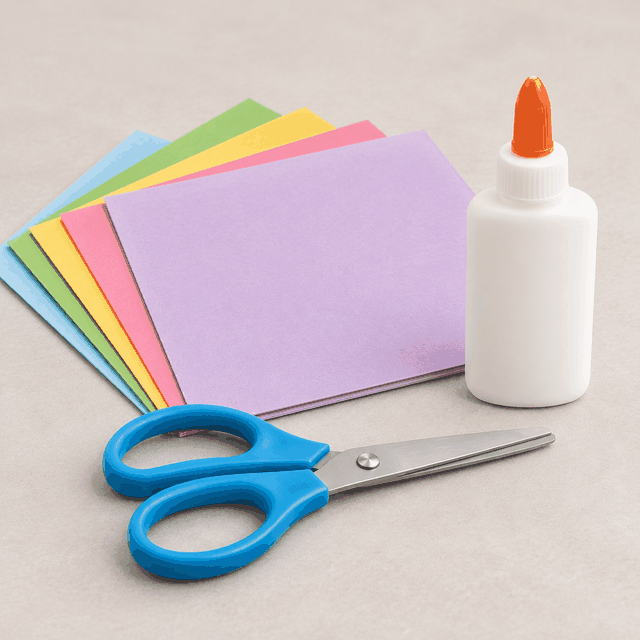
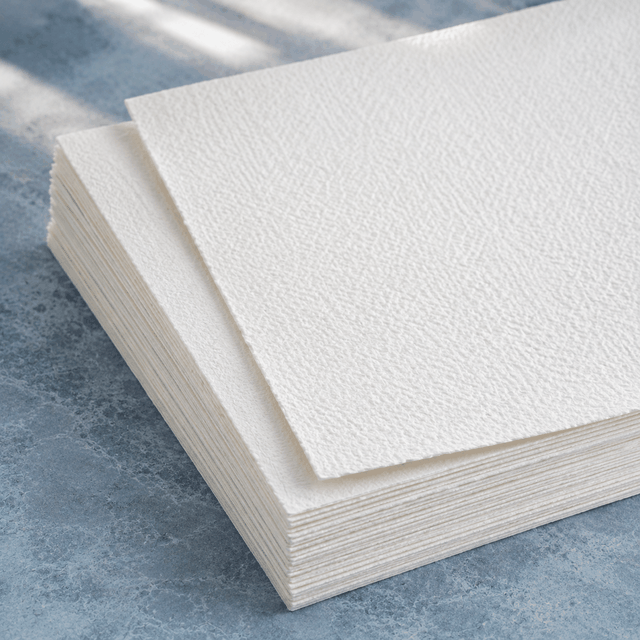
These ranges combine classroom basics with drawing, colouring and craft materials such as crayons, pencils, pastels, markers and watercolour paper. The selection includes general school suppliers as well as specialist art-material businesses.


Printed stationery and paper goods
Custom notebooks, greeting cards, calendars, envelopes, presentation folders and other printed pieces serve retail, promotional and trade-print needs. This group highlights manufacturers and wholesalers whose documented ranges centre on finished paper goods or custom print work.


How we chose these 25 suppliers
These are 25 of the best-matched suppliers for Office, Paper & Stationery based on the stated methodology. Every source record that met the wholesale type and permitted classification rules was reviewed for direct category evidence. Selected suppliers are unique and organised into six product groups. Product fit carries 60 points, category specialism 20, usefulness 10 and data confidence 10. Gold, silver and bronze are source classifications rather than a new assessment, and supplier location does not establish shipping origin.
What to check before ordering
Confirm these points directly before committing to a supplier.
- 01
Can you review production samples?
Ask for representative samples of paper, notebooks, folders and writing tools. Check finish, binding, page alignment, ink performance and packaging before approving a larger order.
- 02
Are specifications consistent?
Confirm paper size, weight, ruling, colour, adhesive type, refill format and pen or marker tip details in writing so repeat orders match the approved specification.
- 03
What is the real order commitment?
Compare the stated minimum order with case quantities, mixed-SKU rules, setup charges, print minimums and any per-design requirements that change the opening spend.
- 04
How are packs and cartons configured?
Request inner-pack and master-carton counts for pens, notebooks and filing products. Pack configuration affects unit economics, shelf presentation and how easily slow sellers can be tested.
- 05
What are the supply lead times?
Separate lead times for stocked goods, custom printing and repeat production. Ask when artwork, proofs or deposits lock the schedule and how backorders are communicated.
- 06
Which quality risks need checking?
Inspect paper curl, show-through, loose bindings, uneven ruling, drying or leaking inks, weak adhesives, misaligned print and transit damage on corners or covers.
Wholesale Office, Paper & Stationery FAQs
Start with the range you can merchandise clearly, then compare product specificity, pack quantities and the supplier's stated order terms. A broad workplace supplier such as the US Workplace and Office Supplies Wholesaler may suit a general business catalogue, while the US Pens and Markers Wholesaler-Manufacturer is better aligned with a focused writing range. Request current price lists and case quantities directly, because a source record that states no minimum order does not explain every SKU-level pack rule or custom-print requirement.
Office supplies usually cover functional workplace goods such as paper, envelopes, binders, filing products, staplers and printer-related items. Stationery more often centres on writing, correspondence and personal paper goods such as pens, notebooks, journals, planners and greeting cards. The categories overlap, so define the intended customer and use case before ordering. The British Office Filing and Storage Wholesaler is weighted toward workplace organisation, while the US Fine Papers and Stationery Wholesaler covers notebooks, envelopes, fine papers and presentation stationery.
Compare the landed cost per sellable unit, not only the quoted case price. Record page count, paper size and weight, cover material, binding, ruling, inner-pack quantity, master-carton quantity and freight. Custom notebooks may also involve artwork, proofing or setup charges. The Australian Custom Notebook and Diary Manufacturer documents branded notebooks, journals and diaries, while the Chinese Custom Notebook and Paper Goods Manufacturer lists custom notebook production. Ask each supplier for a like-for-like specification before comparing quotes.
Choose samples that represent each ink or lead system you plan to stock. Check start-up consistency, line width, drying time, smudging, cap seal, refill fit, barrel construction, lead breakage and colour matching. Test markers on the paper your customers are likely to use. The US Artist Markers and Marker Paper Supplier is relevant when evaluating a paired marker-and-paper range, while the German Writing and Colouring Tools Manufacturer offers several pen, pencil, crayon and highlighter formats for comparison.
Confirm the final dimensions, paper or board stock, print method, colour reference, coating, binding, finishing, packaging and proof-approval process. Ask whether minimums apply per design, size or colour, and whether overruns or underruns are permitted. For trade print, the US Trade Print and Stationery Wholesaler lists envelopes, presentation folders, notepads and letterhead. For branded books, the Australian Custom Notebook and Diary Manufacturer lists diaries, journals and notebooks. Obtain a physical proof when colour or finish is commercially important.
Ask how notebooks, paper, folders and greeting cards are protected from moisture, bent corners and abrasion. Confirm carton dimensions, internal packing, palletisation for larger orders and the process for documenting transit damage. Pens and markers need secure caps or packaging that prevents movement, while heavy binders can crush lighter paper goods if cartons are mixed poorly. Use sample shipments to assess packaging before committing to larger quantities, especially when presentation quality is part of the retail value.
Some source records include marketplace-support fields, but those indicators should be treated as permission or channel support rather than proof of an API, app or automated inventory connection. Ask the supplier directly about authorised sales channels, image usage, brand restrictions, product identifiers, stock updates and order-file formats. For a marketplace workflow, also confirm whether case packs can be broken, how labels are applied and which party handles returns. Build the operating process around current written terms rather than assuming technical integration.
