


A sample of 25, by what they sell
The suppliers below cover women's fashion, performance clothing, lingerie and swimwear, baby and children's garments, uniforms and custom production. They are 25 of the best-matched records for this category under the stated method, rather than a count of every apparel business in SaleHoo. Members can use the wider directory to compare more suppliers and adjacent product ranges.
Women's fashion, dresses and separates
These wholesalers and manufacturers cover dresses, tops, knitwear, denim and coordinated separates. Compare sizing conventions, fabric composition, colour consistency and pack ratios before building a range, especially when mixing occasion pieces with everyday styles.


Activewear, sportswear and outdoor clothing
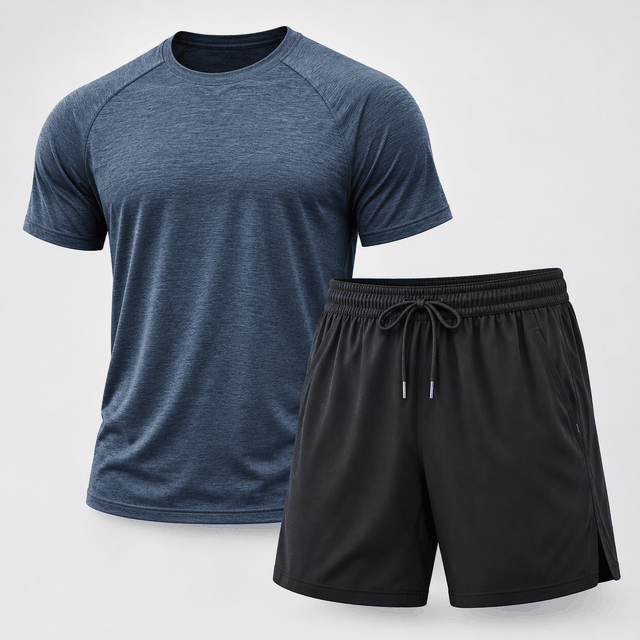
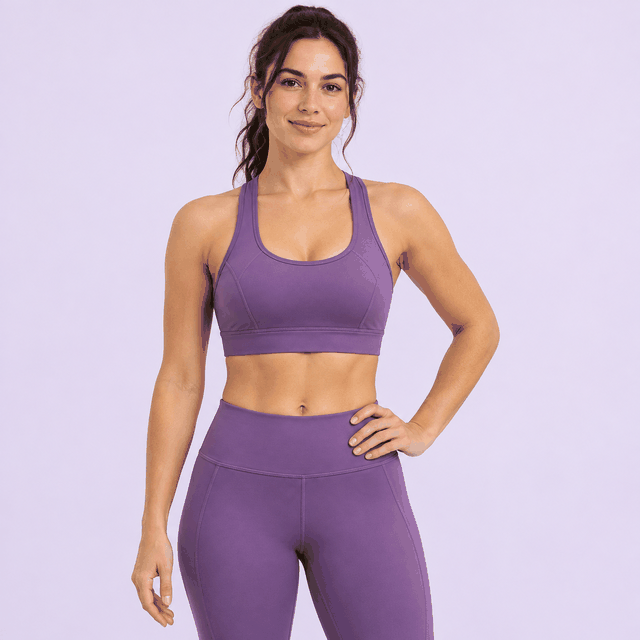
This group spans workout basics, technical leggings, sports uniforms and sun-focused outdoor apparel. Product specifications matter here: ask for fabric weight, stretch recovery, seam construction and wash-test information for each intended activity.


Intimates, hosiery and swimwear
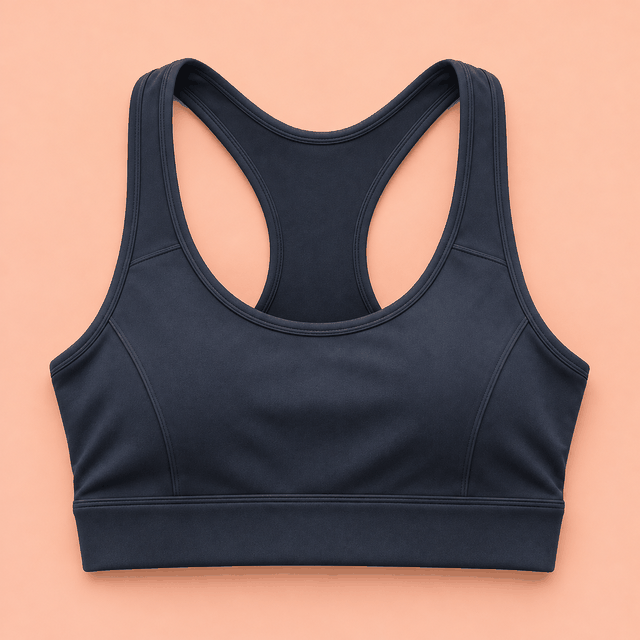
Bras, underwear, shapewear, socks, sleepwear and swim collections make up this group. Retailers should compare size grading, support construction, lining, hygiene policies and the exact assortment available within each wholesale pack.


Baby, children's and family clothing
These manufacturers document clothing for babies, children and adults, from rompers and pyjamas to uniforms and everyday T-shirts. Confirm age-based sizing, fibre content, care labels and testing documentation appropriate to the destination market.


Workwear, uniforms and custom garments
The final group covers occupational clothing, teamwear and custom production. Give suppliers a complete specification covering measurements, materials, decoration placement, colour references, samples and acceptable tolerances before approving a production run.


How we chose these 25 suppliers
Using the supplied supplier data, we applied the wholesale type and source-classification filters before assessing category relevance. These are 25 of the best-matched suppliers for this category based on product fit, specialism, usefulness and data confidence. The suppliers are organised into five product groups. Gold, silver and bronze are source classifications, not a new verification. Country is supplier location, so confirm shipping origin directly.
What to check before ordering
Confirm these points directly before committing to a supplier.
- 01
Can I approve a representative sample?
Request the exact fabric, colour, trims and decoration method planned for production, then check measurements, stitching, hand feel, opacity and recovery after washing.
- 02
How are specifications kept consistent?
Agree a measurement chart, fabric composition, weight, colour reference and tolerance for each style. Ask how changes between sample and bulk production are recorded and approved.
- 03
What does the MOQ apply to?
Clarify whether the minimum applies per style, colour, size, fabric or total order. For ranges, request the allowed size ratio and any surcharge for smaller runs.
- 04
What is the full landed cost?
Combine unit price with samples, labels, packaging, inspection, freight, duties and payment charges. Preserve quoted currencies and units rather than converting ambiguous ranges.
- 05
How are cartons and inner packs configured?
Confirm units per inner pack and carton, size and colour assortments, carton dimensions, weights, barcodes and whether retail-ready folding or hangers are included.
- 06
What are the production and replenishment lead times?
Ask for sample, bulk-production and dispatch timelines separately. Check fabric availability, repeat-order consistency and how delays or failed quality checks affect the schedule.
Wholesale Apparel & Clothing FAQs
Start with a tightly defined customer, price position and product group rather than buying across every clothing type. Compare three to five suppliers on sample quality, size grading, fabric specifications, pack ratios, minimums and landed cost. A broad wholesaler can help test several styles, while a specialist may offer deeper choices within dresses, leggings, lingerie or uniforms. Place a small, representative first order where the terms allow it, record sell-through by size and colour, and use those results to shape replenishment.
A wholesaler normally offers finished styles that retailers can order from an existing assortment, often in set packs or size ratios. A manufacturer may produce to a buyer's specification, which introduces sampling, technical packs, decoration approvals and production quantities. Some selected records carry both Wholesalers and Manufacturers tags, but the operating model still needs direct confirmation. Choose wholesale when speed and ready-designed stock matter; explore manufacturing when product control, custom branding or a distinctive fit is central to the range.
The Great Britain Occasion Dress Wholesaler is an editorial fit for a dress-led boutique because its list is concentrated on evening, party and maxi styles, with a $101 - $500 minimum-order range. The US Custom Leggings Manufacturer offers a similarly narrow route into activewear through many legging constructions. For basics, the Great Britain Socks and Underwear Wholesaler documents adult and children's lines and no minimum order. These are suitability judgments based on listed ranges and terms, not guarantees of current availability.
Model cost at the size, colour and style level. A low headline minimum may still require a full pack, a fixed size ratio or separate quantities for each colour. Add sampling, labels, packaging, inspection, freight, duties and payment fees to the unit price, then allow for markdowns and unsold sizes. Keep source currency symbols and quantity units exactly as quoted until the supplier clarifies them. Recalculate when the assortment changes, because a different fabric or colour count can alter production and freight costs.
Check measurements against an agreed chart, stitch density and seam strength, fabric composition and weight, colour consistency, shrinkage, pilling, opacity and stretch recovery where relevant. For swimwear and activewear, also inspect lining, elastic, support construction and performance after repeated washing. For babywear, workwear and specialist garments, ask for the product documentation and test reports appropriate to the destination market and intended use. Approve a sealed reference sample so bulk goods can be compared with the agreed standard.
Ask for carton dimensions, weights, units per carton and the exact point at which responsibility transfers. Bulky outerwear and hanging garments can cost more to ship than compact basics, while mixed-size cartons may complicate receiving. Before ordering, agree how shortages, defects, measurement failures and colour variation are documented and resolved. Separately set a customer returns policy that accounts for sizing and hygiene-sensitive products such as underwear and swimwear, without assuming the supplier will accept the same return reasons.
No. A source flag indicating support for eBay, Amazon or Shopify can show that selling through a platform is contemplated, but it does not establish an API, app, live stock feed or automated order routing. Ask the supplier what the flag means in practice: permission to list, compatible files, product data, stock updates or another form of assistance. Test any catalogue or inventory workflow before relying on it, and confirm image, brand and product-content permissions for the specific apparel lines you plan to sell.
