


A sample of 25, by what they sell
The 25 featured suppliers span broad baby ranges, nursery mobility, feeding and care, sleep textiles, children's fashion, and toys and learning. They represent a carefully matched sample from the wider SaleHoo directory, giving members several specialist options while leaving room to compare many more suppliers by product focus and order terms.
Broad baby and nursery ranges
These suppliers span several everyday buying needs, from feeding and changing to travel, toys and nursery accessories. They suit retailers building a coherent baby department from fewer accounts, while the wider SaleHoo directory gives members additional specialists to compare.



Nursery furniture, strollers and travel gear
This group covers larger nursery and travel products such as strollers, cots, car seats, play yards and changing furniture. Buyers should compare carton dimensions, assembly requirements, model documentation and freight terms before committing to bulky inventory.


Feeding, changing and baby care essentials
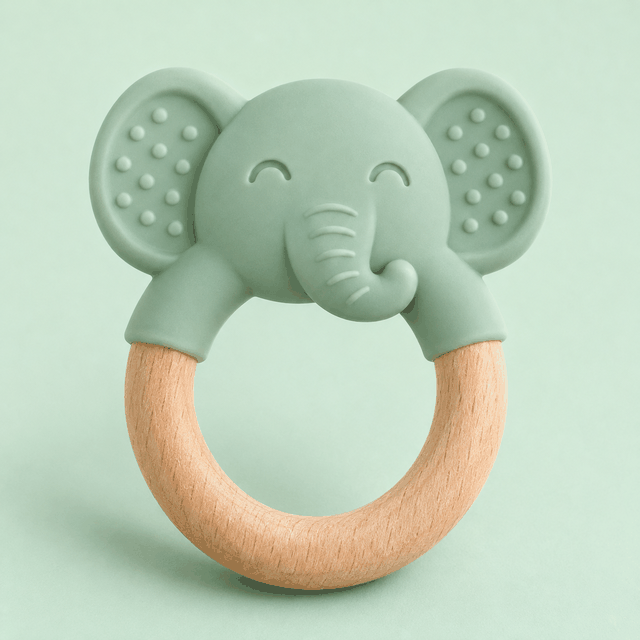
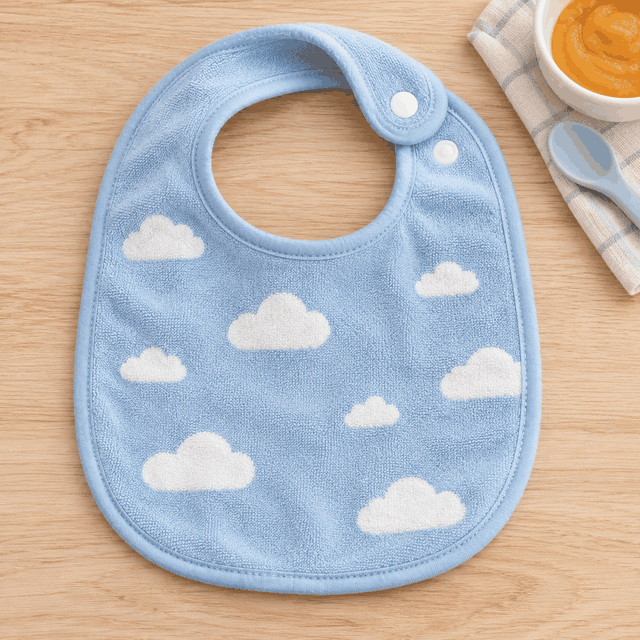
Feeding sets, carriers, nappies, teethers and everyday care products make up this practical group. Material specifications, age grading, pack configuration and replenishment terms deserve close attention because small differences can affect the suitability of a retail range.


Baby sleep, bedding and nursery textiles
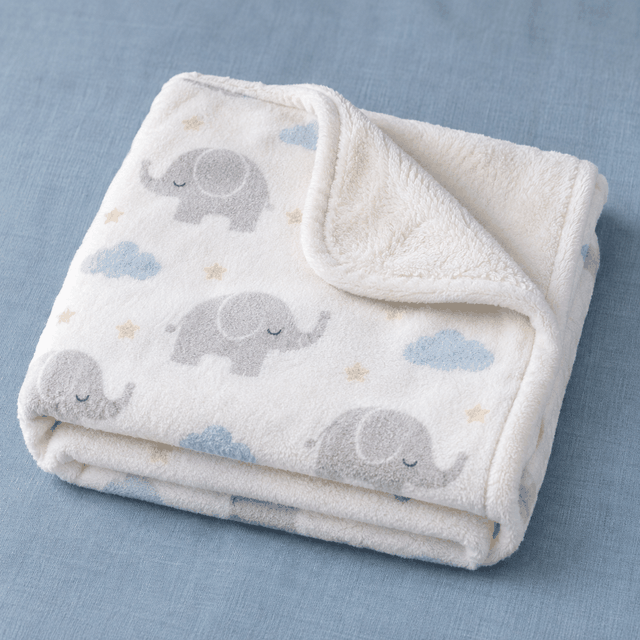
These ranges focus on crib mattresses, swaddles, blankets, sleeping bags and nursery furniture. Retailers can compare fabric and fill specifications, care instructions, finished sizes and packaging across products intended for different sleep and nursery settings.


Baby and children's clothing
From premature babywear and knitted outfits to bodysuits, rompers and first shoes, these suppliers cover distinct apparel niches. Size runs, fibre composition, colour assortments and case packs are useful comparison points when planning an opening order.


Toys, dolls and learning products
The toy group includes sensory play, wooden toys, puzzles, dolls, building sets and classroom furniture. Match products to a clear age range and ask for the relevant test information, labelling details and pack dimensions for each line under consideration.


How we chose these 25 suppliers
These are 25 of the best-matched suppliers for Baby & Kids based on the stated methodology. Eligible wholesalers and manufacturers were reviewed for direct product fit, category depth, ordering usefulness and the specificity of the available supplier data. Product fit carries 60 points, specialism 20, usefulness 10 and data confidence 10. Gold, silver and bronze are the directory classifications, not a new supplier guarantee. Country identifies supplier location, so buyers should confirm the actual dispatch point and current shipping terms.
What to check before ordering
Confirm these points directly before committing to a supplier.
- 01
Can I review samples first?
Ask for representative samples from the exact production or stock line, including packaging, instructions and any age or size labelling.
- 02
Are materials and specifications consistent?
Request written material, fill, finish and component specifications, then confirm how substitutions or production changes are communicated.
- 03
What is the full landed cost?
Combine unit price, minimum order, case quantities, freight, duties, payment fees and inspection costs for the destination market.
- 04
How are packs and sizes configured?
Confirm inner packs, master cartons, size ratios, colour assortments and whether mixed cases are available for the products you want.
- 05
What are the production and supply lead times?
Check current stock, production windows, replenishment frequency and the point at which an order or specification can no longer be changed.
- 06
Which product documents are available?
For the target market, ask for relevant test reports, material declarations, instructions, warnings, traceability details and product-specific labelling files.
Wholesale Baby & Kids FAQs
Start with a narrow product and age range, then compare suppliers that show direct depth in that area. The British Babywear and Premature Clothing Wholesaler suits an apparel-led concept, while the Chinese Baby Feeding and Care Product Manufacturer has a concentrated feeding range. Review samples, exact pack sizes, minimum orders, current lead times and the documents available for each product. A broad catalogue can simplify purchasing, but a specialist may provide more choice within the category that matters most to your store.
Nursery equipment generally includes larger, durable items such as cots, strollers, car seats, high chairs and playpens. Essentials are smaller products used frequently, including bibs, bottles, nappies, wipes, teethers and textiles. The Chinese Baby Furniture and Nursery Gear Manufacturer is equipment-focused, whereas the US Cloth Nappy and Changing Accessory Wholesaler concentrates on changing products. The buying economics differ: bulky equipment can carry higher freight and storage costs, while essentials may require closer attention to pack quantities and replenishment.
Treat the stated minimum order as only one part of the opening commitment. Ask for the minimum by product, colour and size, plus inner-pack and master-carton quantities. Several featured records state no minimum order, but that does not establish single-unit availability or mixed cases. Build a landed-cost sheet using the exact case configuration, freight, duties and payment terms. For clothing, include the required size ratio; for feeding, care and toys, include any variation by colour, age band or design.
Confirm fibre composition, fabric weight, colourfastness, shrinkage, seam construction, fastener details, finished measurements and care labels for the exact item. For sleep products, compare dimensions and fill or cover specifications rather than relying on a broad product name. The US Baby Textile and Swaddle Manufacturer lists swaddles, sleeping bags and crib sheets, while the British Baby Knitwear, Socks and Shoes Wholesaler covers coordinated apparel and accessories. Approve pre-production or stock samples and document acceptable tolerances before ordering.
Define the intended age range and destination market first. Ask for product-specific test reports, warning and instruction files, material details, traceability information and packaging artwork applicable to that market. Check small parts, magnets, batteries, cords and accessible finishes where relevant to the design. The British Children's Toy and Learning Product Supplier covers many play patterns, while the US Wooden Baby Toy and Teether Manufacturer focuses on early-years products. Evidence should match the exact model and production version you plan to buy.
Use packed dimensions and weight, not only the product's assembled size. Ask how many units fit in each carton, whether the item ships flat, what assembly materials are included and how replacement parts are handled. Compare freight quotes against order size and destination, then allow for storage and final-mile delivery. Supplier country is not proof of dispatch origin, so confirm the actual collection point and shipping terms with suppliers such as the US Crib Mattress and Stroller Manufacturer or Chinese Stroller, Car Seat and Play Yard Manufacturer.
Marketplace suitability must be confirmed product by product. A platform-support flag can indicate permission or experience, but it does not prove an API, app or automated listing integration. Ask the supplier about resale restrictions, approved product content, identifiers, image rights, brand rules and fulfilment expectations for the channel you intend to use. Also calculate marketplace fees and returns handling alongside the wholesale cost. Keep written confirmation for the exact brands and products included in your account.
